
GRAND OPENING JUNE 7TH, 2026
Relationship-centered equine learning designed for neurodiverse individuals
Silver Saddle offers calm, structured, and supportive equine-assisted learning experiences for individuals who are autistic, have ADHD, or experience differences in attention, regulation, or sensory processing. Sessions are guided by predictability, choice, and individualized pacing to support confidence, connection, and self-awareness.
Equine & Canine Assisted Learning for the Neurodiverse
Equine-assisted programs are designed for neurodiverse individuals, including those who are autistic, have ADHD, or experience differences in attention, regulation, or sensory processing. Through guided interaction with horses, participants can strengthen communication skills, emotional regulation, and social engagement.
Research-driven Programming
Studies show that participants may benefit from improved:
Self-esteem & confidence
Verbal & non-verbal communication
Focus and awareness
Social engagement
Team building
Executive functioning
Emotional regulation
Sources
O’Haire, M. (2018). Animal-Assisted Intervention for Autism Spectrum Disorder: A Systematic Literature Review. Journal of Autism and Developmental Disorders.
Autism Speaks. Research Review on Equine-Assisted Therapy.
What to Expect
Our programs help participants discover their own strengths, build on internal resources, and develop new knowledge and skills that support growth and wellbeing
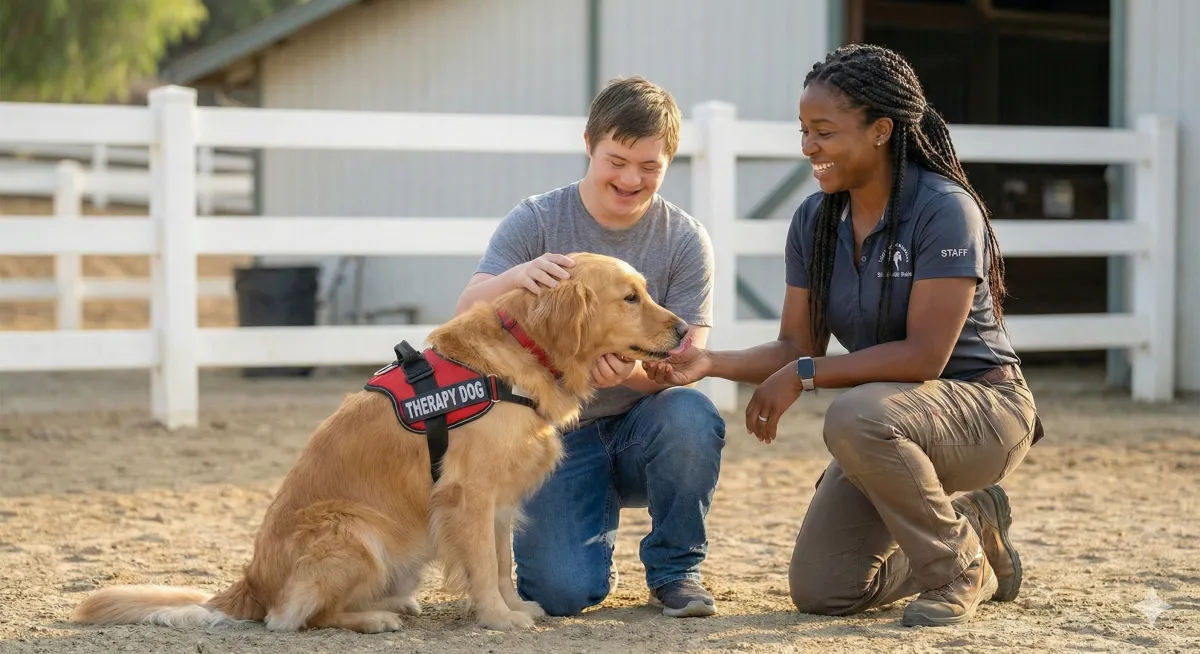
Sessions can be 30, 60, or 90 minutes and include 1–3 participants to allow for individualized support
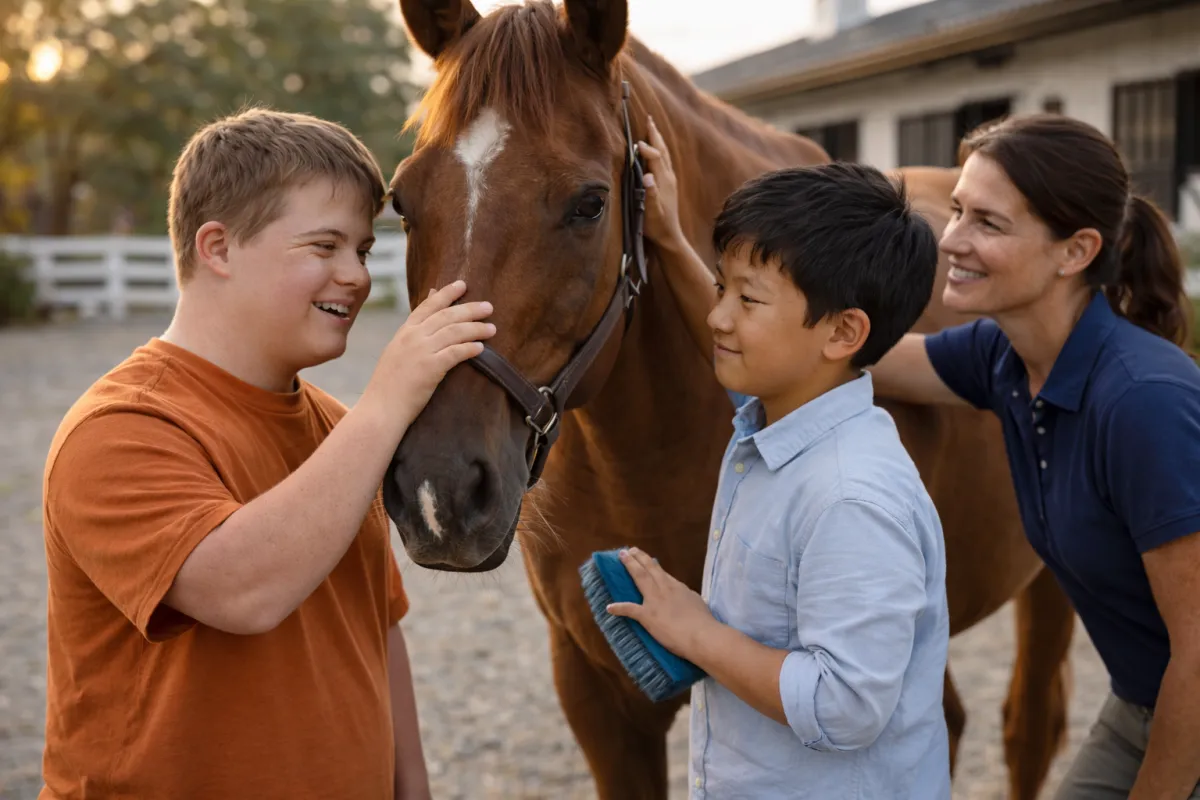
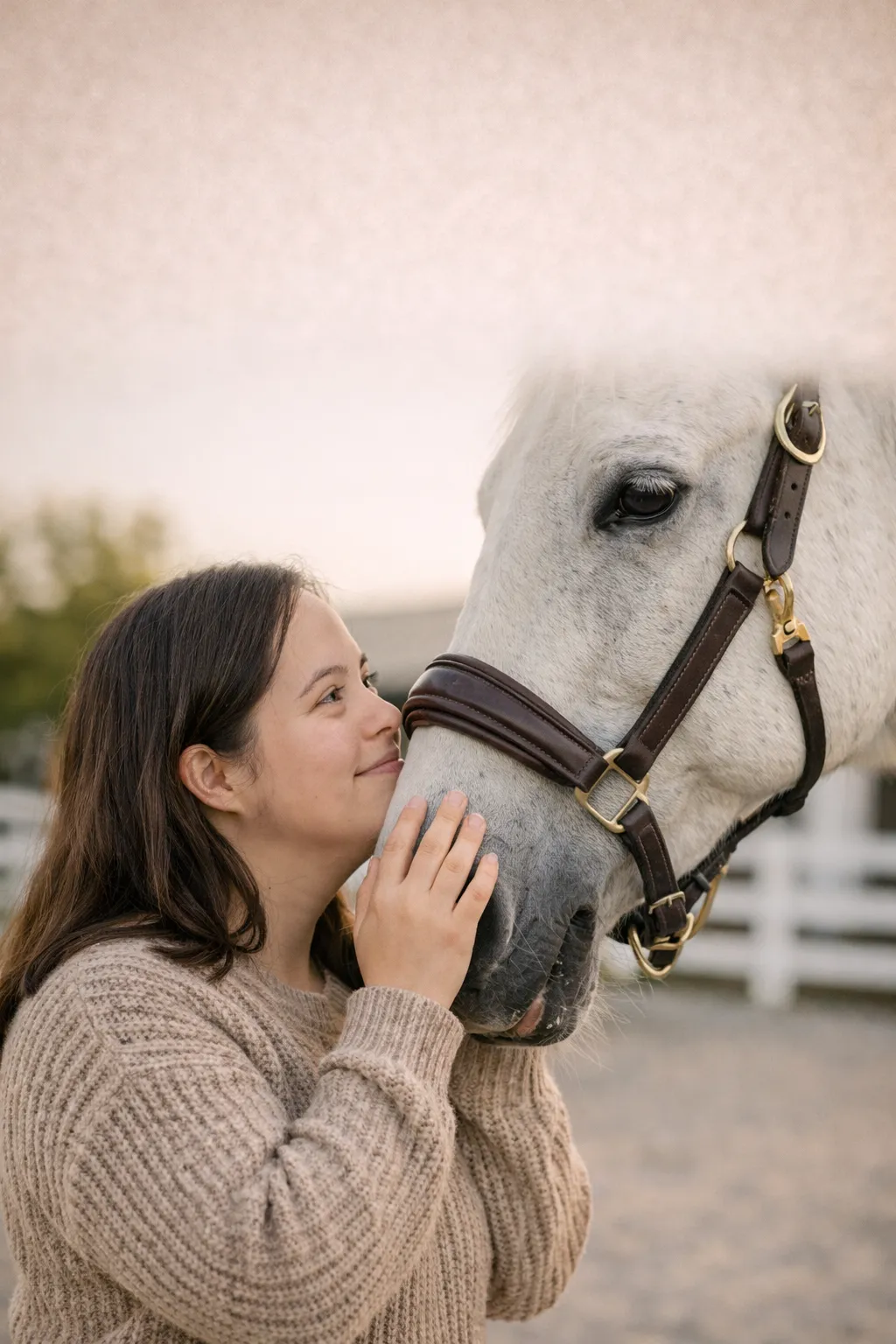
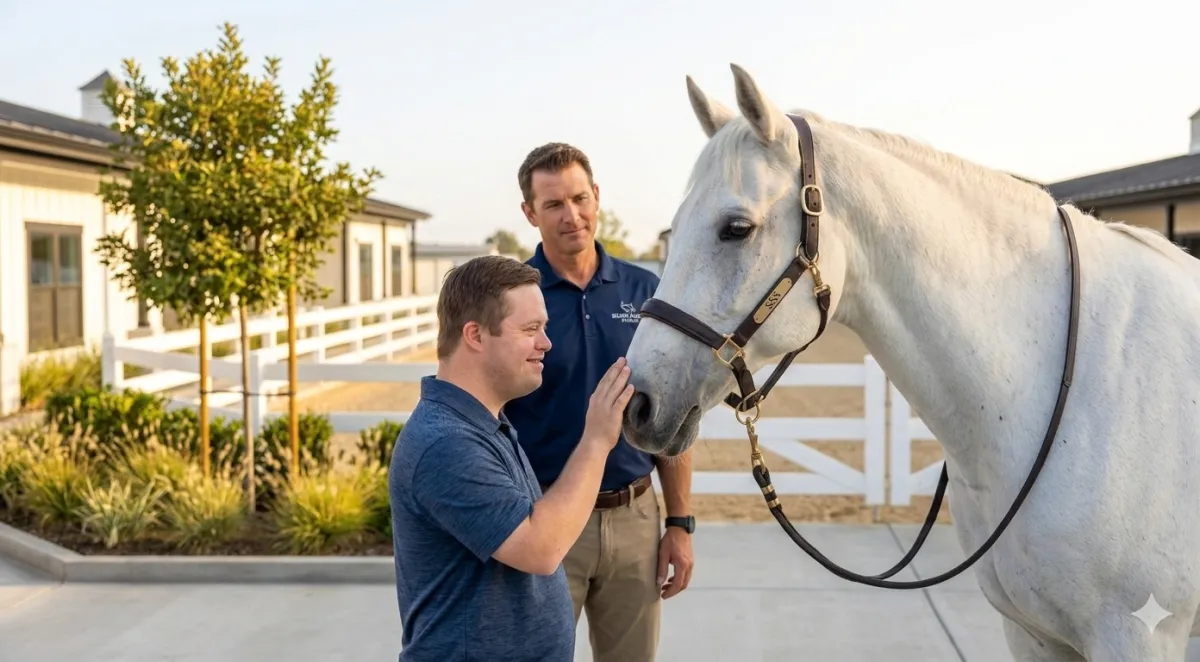
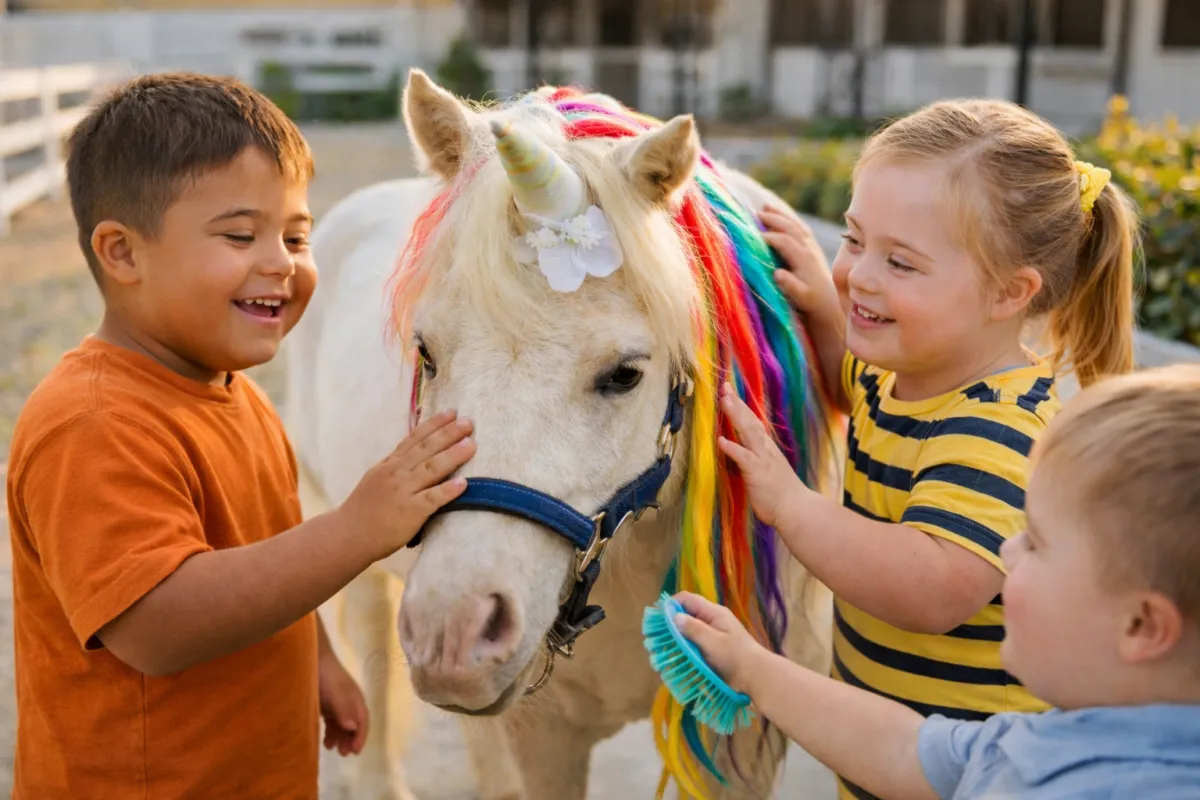
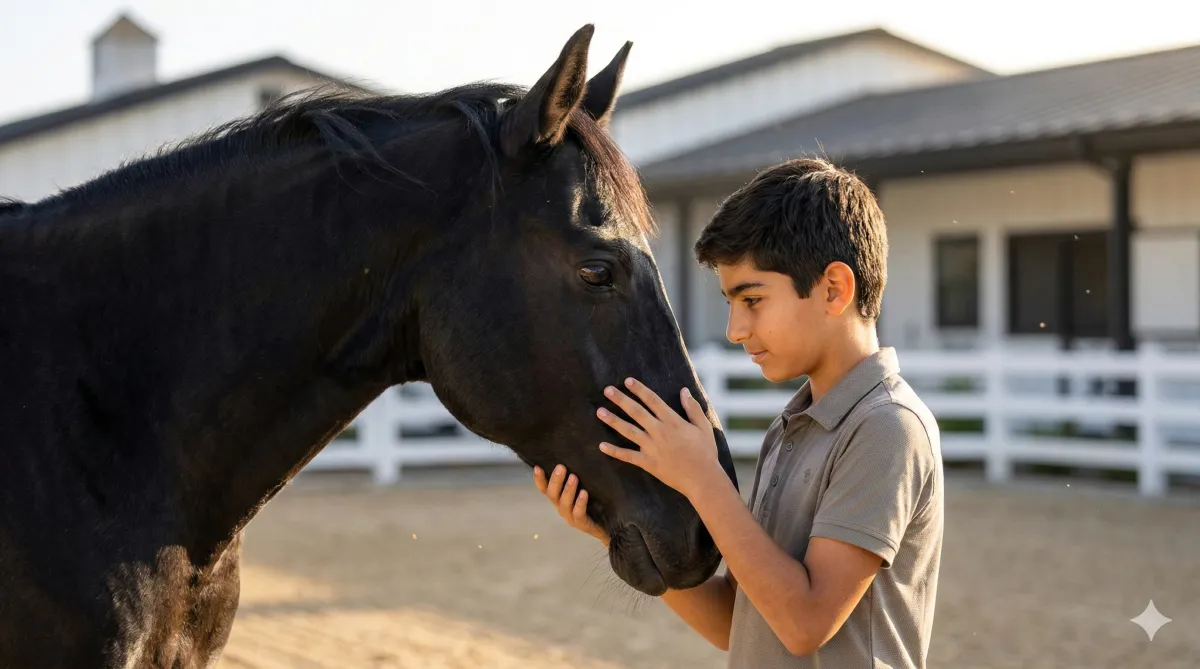
Participants connect with animals through grooming, leading, observation,and other safe, guided interactions
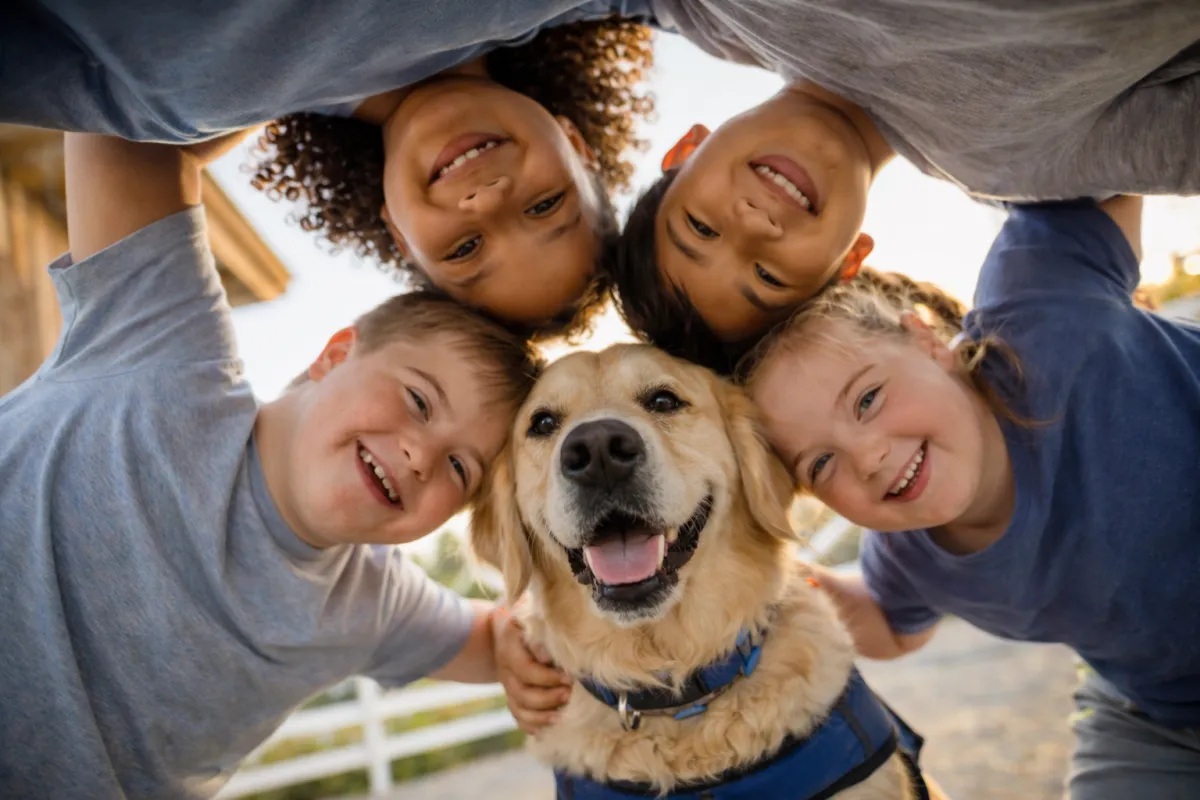
Participants may work with miniature horses, full-sized horses, or trained trained therapy dogs
Sessions consist of hands-on interactions from the ground or mounted work at the walk (at the practitioner’s discretion)
All activities are designed to support the individual’s needs for comfort, safety, structure and growth.
What to Wear
Closed-toed shoes
Comfortable clothing that allows for easy movement
Programming is ground-based, so plan for time outdoors and close interaction with horses. Choose clothes you’re comfortable moving in and that don’t mind a little dust or the occasional horse “kiss.”
Ready to Begin?
We'd love to welcome you to the barn. Private and small-group options are available — reach out to find the fit that's right for you.
1900 Riverside Dr
Glendale, CA 91201
Follow Us


